


 로그인을 해주세요
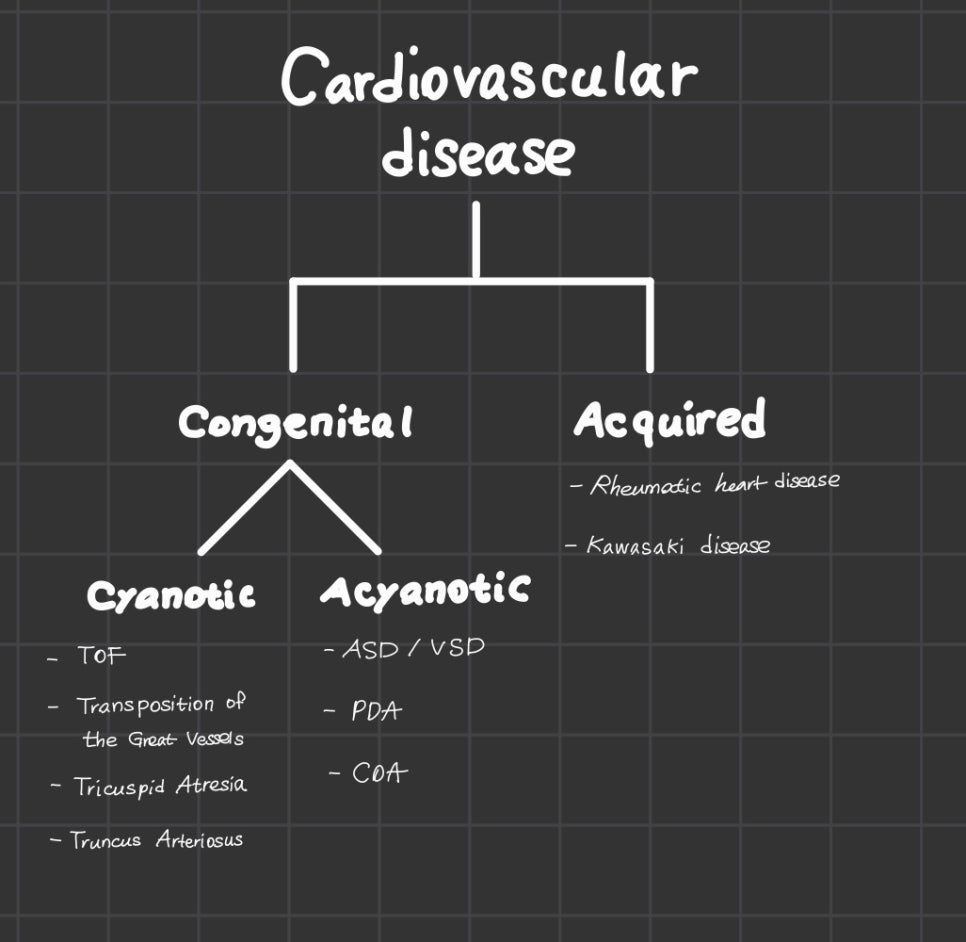
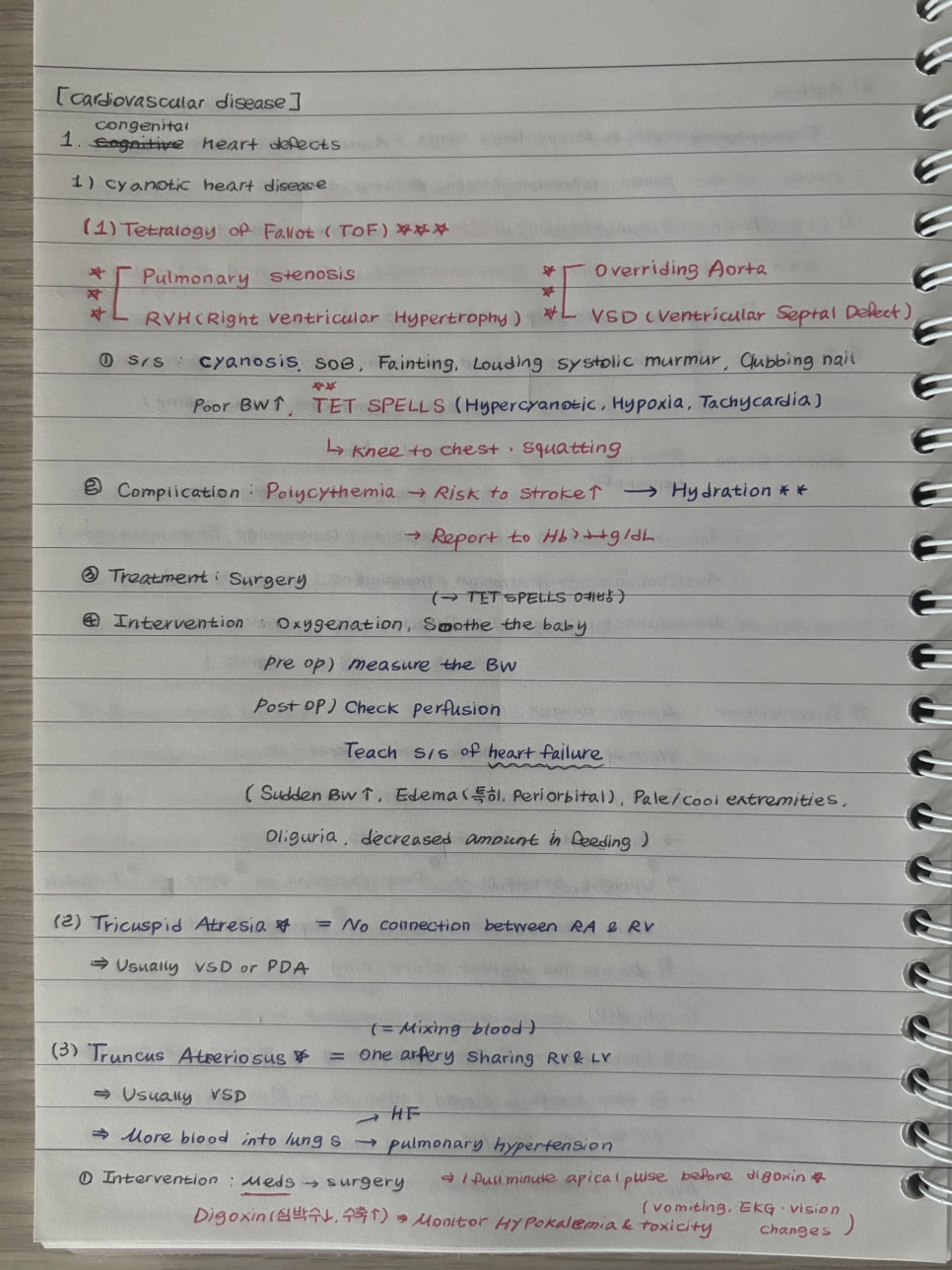
1. Congential Heart Defects
1) Cyanotic heart disease (TTTT)
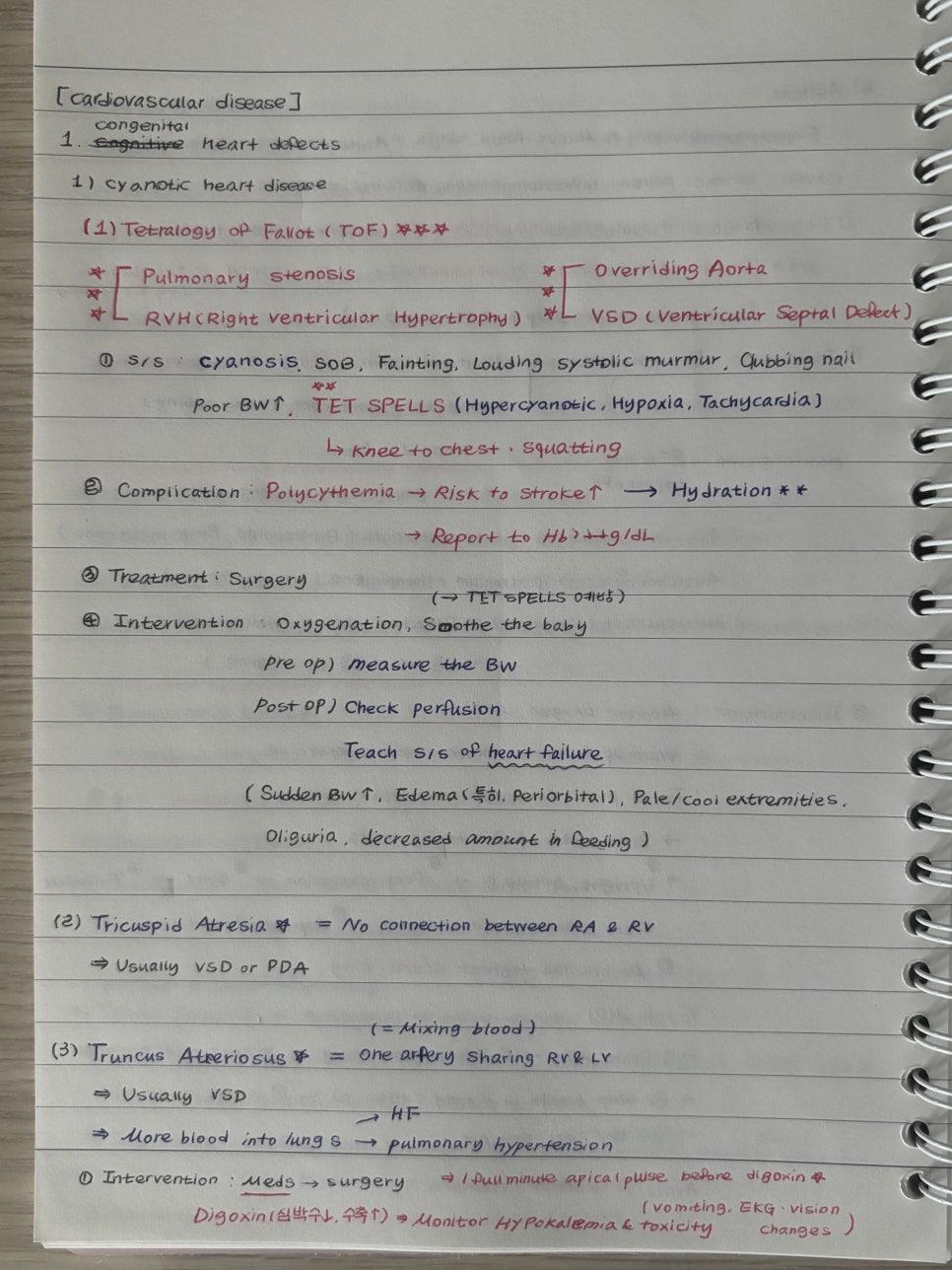
(1) Tetralogy of Fallot(TOF)
-
Pulmonary Stenosis
-
Right Ventricular Hypertrophy
-
Overriding Aorta
-
Ventricular Septal Defect
-> overriding aorta에 의해 우심실 혈액이 대동맥 쪽으로 흐르고, pulmonary stenosis에 의해 우심실에서 혈액이 빠져나가지 못함.
-> Ventricular septal defect에 의해 좌심실 혈액이 우심실로 이동. 우심실로 몰리는 혈액으로 인해 우심실 압이 올라가 right ventricular hypertrophy 발생
-> 이로 인해 우좌단락이 발생하여 우심실에서 좌심실 쪽으로 혈액이 이동하고 대동맥으로 산소가 적은 혈액과 산소화된 혈액이 이동하면서 cyanosis 유발
|
S/S |
Classic Sx : cyanosis TET SPELLS(Hypercyanotic, Hypoxia, Tachycardia) -> knee to chest (infant) -> squatting(child) |
|
Complication |
Polycythemia(Report Hb>22g/dL) -> Stroke 위험을 높임 -> hydrtion |
|
Treatment |
surgery
|
|
Intervention |
Soothe the baby, oxygenation |
(2) Transposition of the Great Vessels
= aorta와 pulmonary artery 위치 바뀜
|
S/S |
Severe cyanosis(d/t 산소가 적은 혈액이 대동맥을 타고 흘러감) |
|
Treatment |
surgery temporary -> Prostaglandin E(d/t to keep the PDA open) |
|
Intervention |
Monitor V/S, oxygenation |
(3) Tricuspid Atresia
= No connection between the Right atrium & Right ventricle
(4) Truncus Arteriosus
= 페동맥과 대동맥이 하나로 합쳐진 상태
= one artery sharing Right ventricle & Left ventricle
-> more bloods flowing into lungs -> pulmonary hypertension, Heart failure
|
Intervention |
- Monitor hypokalemia, digoxin toxicity(vomiting, EKG changes, Vision changes) - 투약 전, 1 full minute of apical pulse |
2) Acyanotic heart disease
(1) Atrial septal defect(ASD) & Ventricular septal defect(VSD)
-> 작은 경우, 스스로 닫히기도 하나 큰 경우, 청색증으로 이어질 수 있어 수술 진행
|
S/S |
-> Activity intolerance, weak PR, feeding difficulties, hypotension, oliguria, pale/cool extremities
-> sudden weight gain, edema(=puffiness/periorbital site), pale/cool extremities, decreased feeding, oliguria |
(2) Patent Ductus Arteriosus(PDA)
= 대동맥과 폐동맥 사이가 연결
|
S/S |
Machine-like murmur |
|
Medication |
|
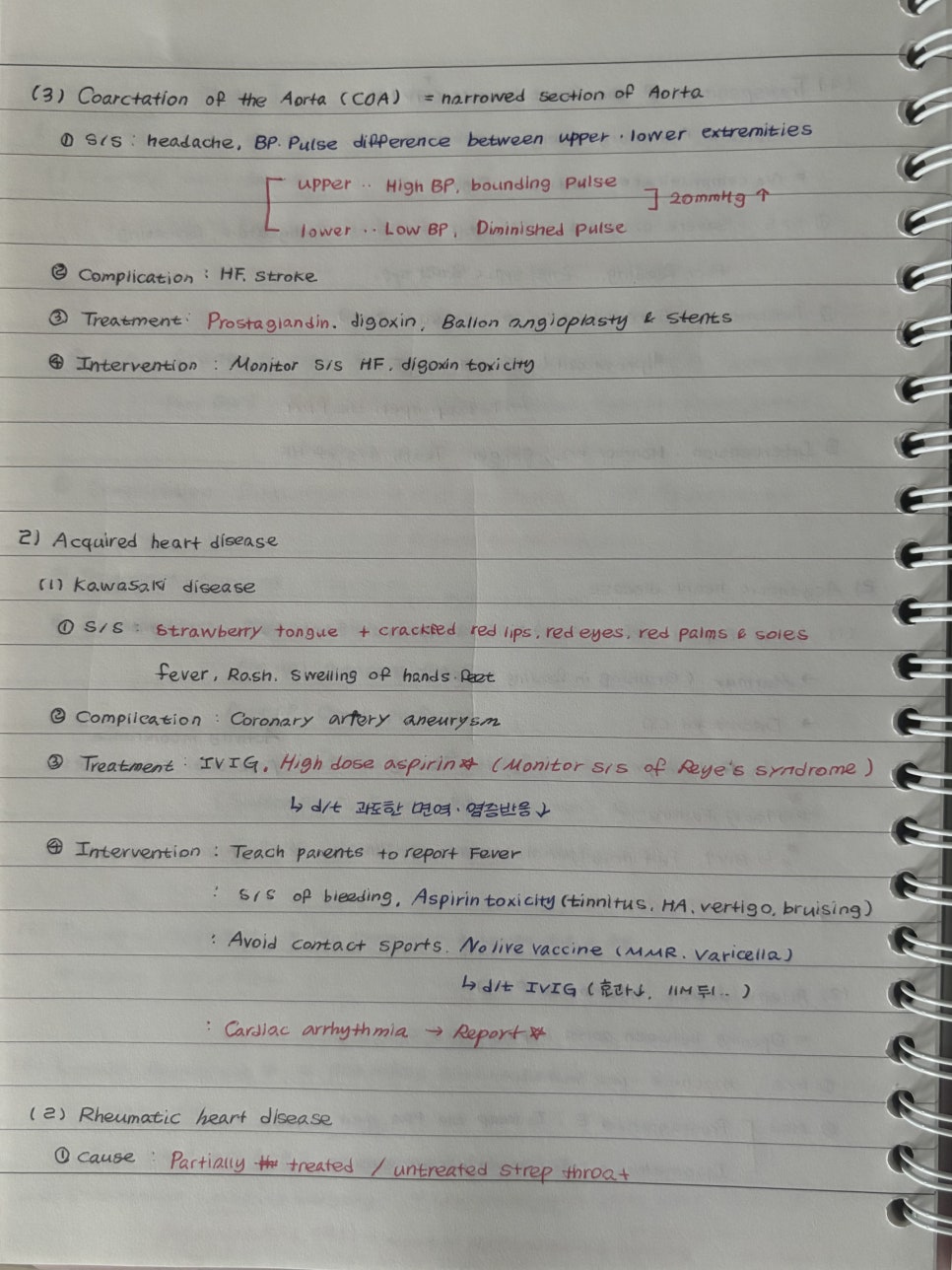
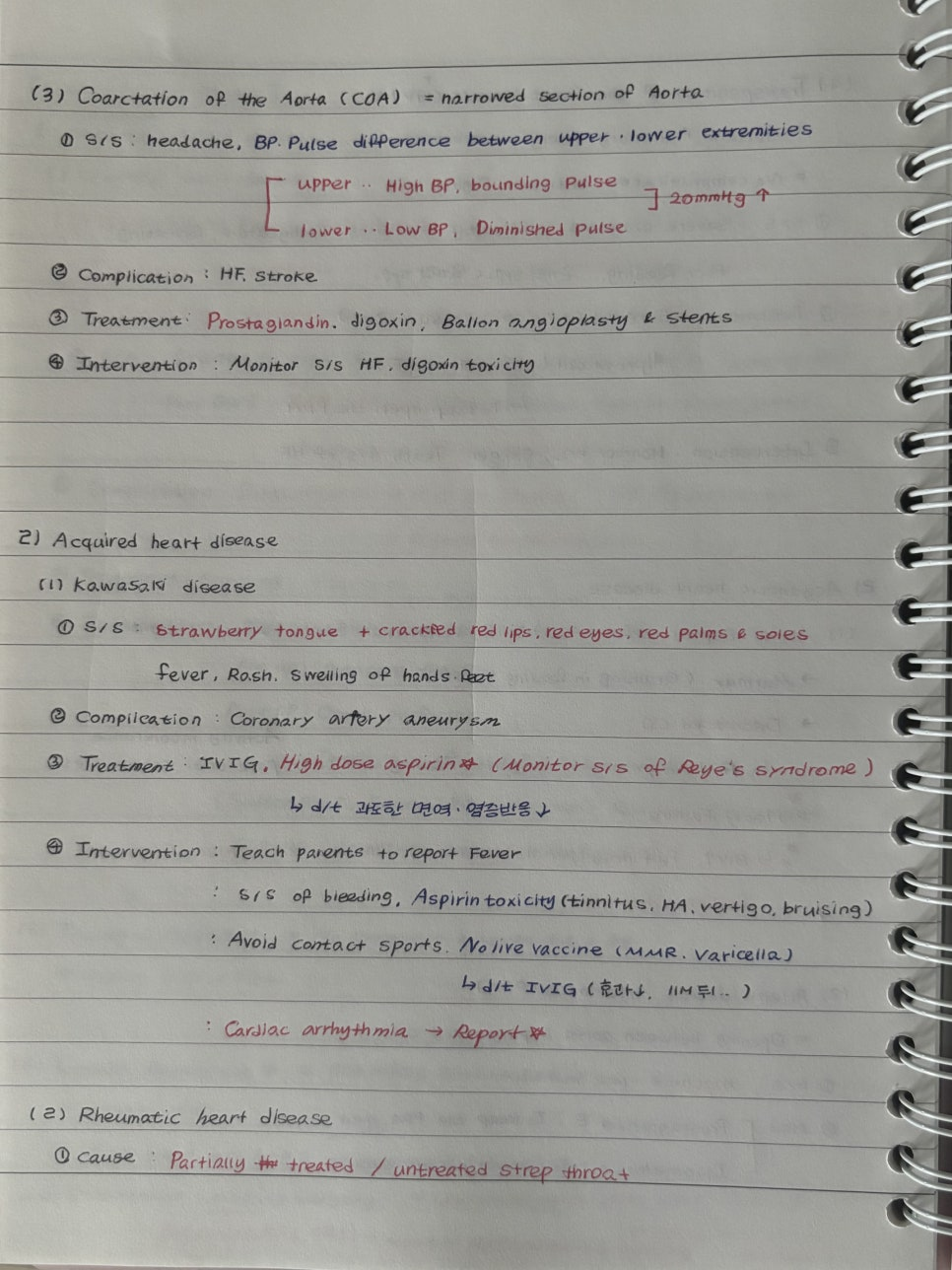
(3) Coarctation of the Aorta
= 대동맥의 한 부분이 좁아진 경우
|
S/S |
HA, BP/pulse difference (약 20mmHg 차이) - Upper body : High BP, bounding pulses - Lower body : Low BP, Diminished pulses |
|
Complication |
stroke, heart failure |
|
Treatment |
prostaglandin E, digoxin, ballon angioplasty&stents |
[문제]
Coarctation of the aorta shows classic symptoms of low blood pressure to upper body, and high blood pressure to lower body.
1) True 2) False
=> 내가 선택한 답 : True
=> 선택한 이유 : coarctation의 의미를 이해하지 못했다. 그러다보니 일반적으로 하지 혈압보다 상지 혈압이 낮으므로 true를 선택했다.
=> coarctation은 축착으로 대동맥의 한 부분이 좁아지다보니 압력이 커지고 이로 인해 상지와 하지의 혈압 차이가 약 20mmHg 정도 차이가 난다. 상지의 혈압이 높고 하지의 혈압이 오히려 낮다.
2. Acquired Heart disease
1) Rheumatic heart disease
-
원인 중 하나 : partially treated or untreated strep thorat
|
S/S |
fatigue, joint pain, fever, uncontrolled movement(=chorea) |
|
Treatment |
Long term penicillin, bed rest |
|
Intervention |
Teach parents the importance of completing the full course of antibiotics for strep throat (= 증상 없다고 중간에 복용 멈춰서는 안 됨) |
2) Kawasaki Disease
|
S/S |
Strawberry tongue, red eyes, cracked red lips, red palms&soles fever, rash, swelling hands&feet, swollen lymph nodes |
|
Complication |
Cornoary artery aneurysm |
|
Treatment |
IVIG, High dose aspirin(-> monitor for s/s of Reye's syndrome) |
|
Intervention |
|
Q) Reye's syndrome 위험으로 아동에게는 aspirin을 잘 사용하지 않는데 가와사키병을 가진 아동에게 사용하는 이유는?
A) 과도한 면역 반응과 염증 반응을 억제하기 위해서
Q) 가와사키병을 가진 아동에게 생백신을 접종하지 못하는 이유는?
A) IVIG를 투약하는 경우, 생백신의 효과가 저하되므로 IVIG 투약 11개월 뒤 접종하도록 교육해야 함
5주차 공부 후, 느낀 점
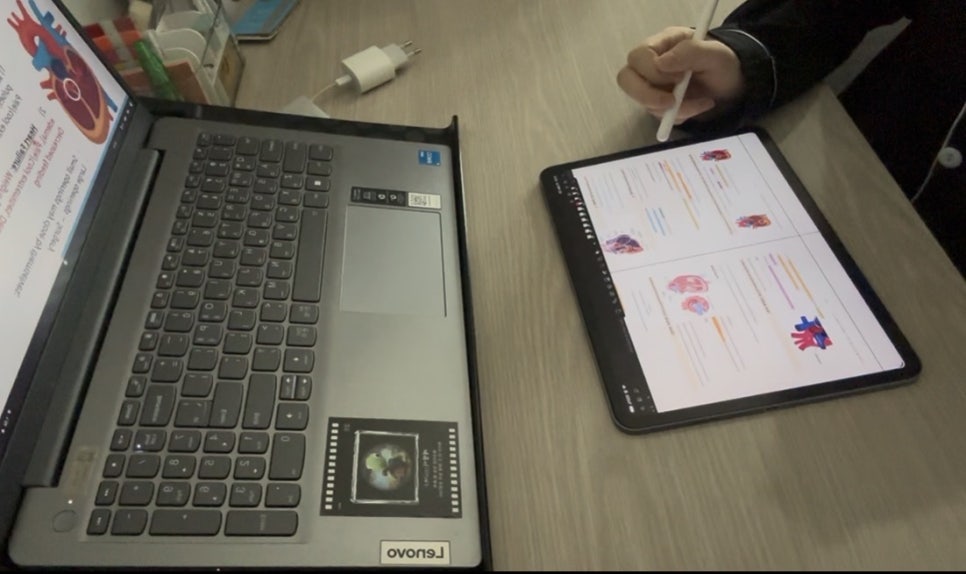
: 소피아 선생님의 차분하고 꼼꼼한 설명에 학부생 때 어려워했던 아동간호학을 빠르게 이해할 수 있었다!! 심지어 이제껏 했던 4개의 주제 중 가장 빠르고 쉽게 이해했다 ........ 나랑 잘 맞는 선생님은 따로 있구나 싶었던 주차였다. 특히, 마지막에 정리해주신 단어가 어쩜 내가 모르는 단어만 있는지 ^^.. 정말 감사했다. 지금은 아동만 공부해서 덜 헷갈리겠지만 같은 주제의 성인 파트를 공부하면 아동 부분과 나눠서 잘 정리해놔야 안 헷갈릴 것 같다.
[출처] https://blog.naver.com/luckyyy_402/224223347434

통신판매업신고번호 : 2024-서울서초-0152 | 출판사등록번호 : 제2019-000285호 | 개인정보관리책임자 : 김진선
주소 : 서울특별시 서초구 논현로31길 41, 5층(양재동, 세원빌딩) | 이메일주소 : dreamnurse7@naver.com
문의사항 : 드림널스 홈페이지 우측 하단 채널톡 문의 또는 카카오톡 채널 드림널스 문의 Copyright (c) 주식회사 드림널스 All Rights Reserved.
호스팅 제공자: 주식회사 맑은소프트
